
Erleben Sie mithilfe von Expedia das Schönste, das Konark zu bieten hat! Wenn Sie eine Reise nach Konark planen, können wir für Sie eine Liste der besten Sehenswürdigkeiten zusammenstellen und Ihnen dabei helfen, die unvergesslichsten Aktivitäten zu finden. Ganz egal, ob Sie mit Ihrer Familie nach Konark reisen, einen Romantikurlaub planen oder auf Geschäftsreise sind, wir helfen Ihnen, ganz einfach eine einzigartige Reise zu planen, die wie für Sie gemacht ist.
Sehenswürdigkeiten in Konark
Konark steckt voller spannender Aktivitäten und Orte, die Sie unbedingt besuchen sollten. Wir helfen Ihnen zu entscheiden, welches Hotel in Konark zu Ihnen passt. Dank unserer Reiseführer finden Sie außerdem kinderleicht heraus, welche Orte in Konark sehenswert sind und wann die beste Zeit für einen Besuch ist. Ob Kurztrip oder Langzeitaufenthalt, es ist ganz einfach, Sehenswürdigkeiten in Konark zu finden – so können Sie Ihren Urlaub in vollen Zügen genießen und verpassen trotzdem nichts. Überlassen Sie die Ortskenntnis einfach uns und lassen Sie den Alltagsstress hinter sich.
Wenn Sie eine Reise nach Konark planen, wieso sehen Sie sich nicht unsere praktischen Reiseführer zu den Sehenswürdigkeiten in der Gegend an? Sie können in unseren Listen mit Aktivitäten stöbern, mehr über die beliebtesten Attraktionen erfahren und Hilfe bei der Planung der Einzelheiten Ihrer Reise erhalten. Expedia macht es Ihnen einfach, Wissenswertes über alle Top-Sehenswürdigkeiten in Konark zu erfahren.
Attraktionen in Konark
Konark hat für jeden etwas zu bieten, ob Sie also bei Ihrer Sommerreise aktiv werden, bei einem romantischen Rendez-vous schöne Stunden verbringen oder sich einen entspannten Winterurlaub gönnen möchten – in Konark finden Sie zahlreiche Attraktionen, mit denen keine Langeweile aufkommt. Mit Expedia können Sie Flug, Hotel und Mietwagen ganz einfach im Voraus buchen, sodass Sie sorgenfrei verreisen und vor Ort einfach nur die Sehenswürdigkeiten in Konark genießen können.
Die Suche nach Aktivitäten in Konark kann mühsam und zeitaufwändig sein, aber mit uns wird Ihre Urlaubsplanung ganz stressfrei. Ganz gleich, ob es Sie in die Natur zieht, ob Sie die regionalen Spezialitäten von Konark probieren möchten oder in die lebendige einheimische Kultur eintauchen möchten, unsere Reiseführer für Attraktionen in Konark stellen sicher, dass Ihre Reise ganz unabhängig von der Jahreszeit ein Erfolg wird. Gute Reise!


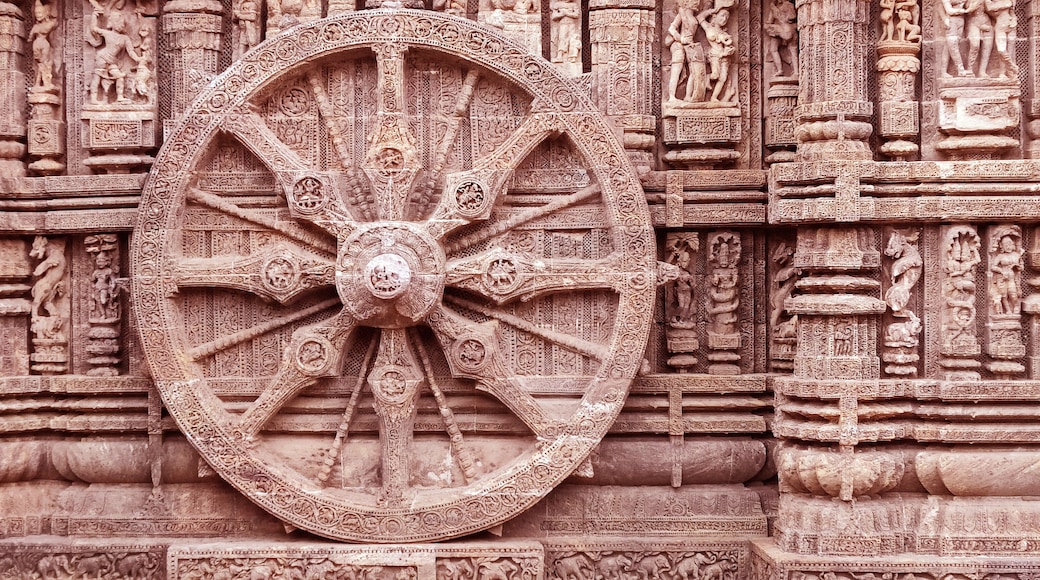
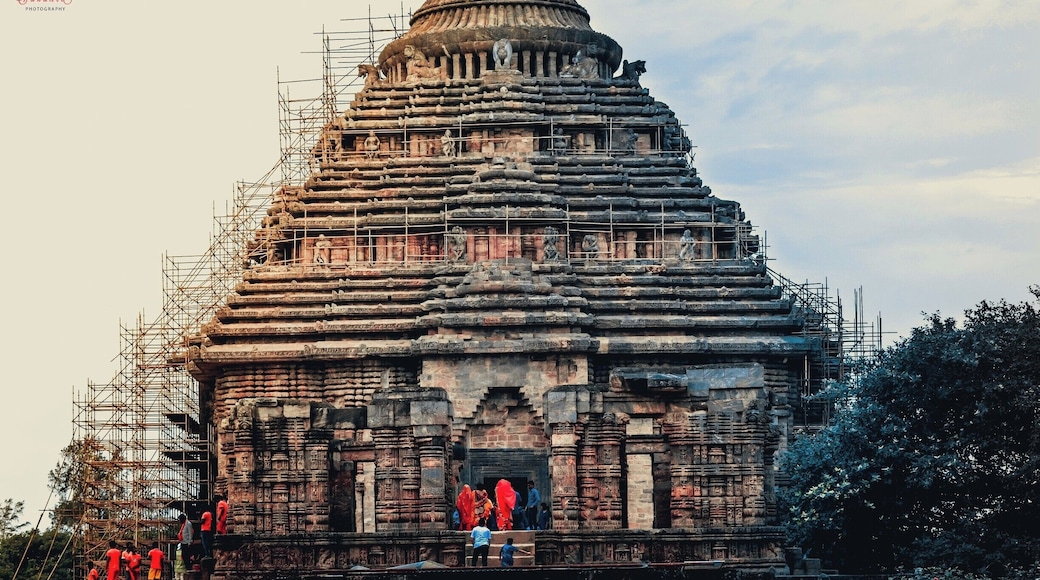
![Konark Sun Temple is a 13th-century CE Sun Temple at Konark in Orissa, India. It is believed that the temple was built by king Narasimhadeva I of Eastern Ganga Dynasty[2] in 1255 CE.[3] The temple complex is in the shape of a gigantic chariot, having elaborately carved stone wheels, pillars and walls. A major part of the structure is now in ruins. The temple is a UNESCO World Heritage Site[4] and has also featured on various list of Seven Wonders of India. The temple is 35 km from Puri and 65 km from Bhubaneswar.
The name Konark derives from the combination of the Sanskrit words, Kona (corner or angle) and Ark (the sun), in reference to the temple which was dedicated to the Sun God Surya.[4]
The monument was also called the Black Pagoda'(Kaala Pagoda) by the European sailors. In contrast, the Jagannath Temple in Puri was called the White Pagoda. Both temples served as important landmarks for the sailors.[5] Konark Sun Temple used Iron beams for its structure.
The temple was originally built at the mouth of the river Chandrabhaga, but the waterline has receded since then. The temple has been built in the form of a giant ornamented chariot of the Sun god, Surya. It has twelve pairs of elaborately carved stone wheels which are 3 meters[4] wide and is pulled by a set of seven horses (4 on the right and 3 on the left).[6] The temple follows the traditional style of Kalinga architecture. It is carefully oriented towards the east so that the first rays of sunrise strikes the principal entrance.[4] The temple is built from Khondalite rocks.[7][8]
The original temple had a main sanctum sanctorum (vimana), which was supposedly 229 feet[6] (70 m) tall. Due to the weight of the superstructure (70 m tall) and weak soil of the area, the main vimana fell in 1837.[9] The audience hall (Jagamohana), which is about 128 feet (39 m) tall, still stands and is the principal structure in the surviving ruins. Among the structures, which have survived to the current day, are the dance hall (Nata mandira) and dining hall (Bhoga mandapa).[4][6]
The Konark temple is also known for its erotic sculptures of maithunas.[10]
Two smaller ruined temples have been discovered nearby. One of them is called the Mayadevi Temple and is located southwest from the entrance of the main temple. It is presumed to have been dedicated to Mayadevi, one of the Sun god's wives. It has been dated to the late 11th century, earlier than the main temple.[11] The other one belongs to some unknown Vaishnava deity. Sculptures of Balarama, Varaha and Trivikrama have been found at the site, indicating it to be a Vaishnavite temple. Both temples have their primary idols missing.
A collection of fallen sculptures can be viewed at the Konark Archaeological Museum which is maintained by the Archaeological Survey of India.](https://images.trvl-media.com/place/6156018/09fea146-89a8-4536-94db-75e3922ba387.jpg?impolicy=fcrop&w=1040&h=580&q=mediumHigh)
![Konark Sun Temple is a 13th-century CE Sun Temple at Konark in Orissa, India. It is believed that the temple was built by king Narasimhadeva I of Eastern Ganga Dynasty[2] in 1255 CE.[3] The temple complex is in the shape of a gigantic chariot, having elaborately carved stone wheels, pillars and walls. A major part of the structure is now in ruins. The temple is a UNESCO World Heritage Site[4] and has also featured on various list of Seven Wonders of India. The temple is 35 km from Puri and 65 km from Bhubaneswar.
The name Konark derives from the combination of the Sanskrit words, Kona (corner or angle) and Ark (the sun), in reference to the temple which was dedicated to the Sun God Surya.[4]
The monument was also called the Black Pagoda'(Kaala Pagoda) by the European sailors. In contrast, the Jagannath Temple in Puri was called the White Pagoda. Both temples served as important landmarks for the sailors.[5] Konark Sun Temple used Iron beams for its structure.
The temple was originally built at the mouth of the river Chandrabhaga, but the waterline has receded since then. The temple has been built in the form of a giant ornamented chariot of the Sun god, Surya. It has twelve pairs of elaborately carved stone wheels which are 3 meters[4] wide and is pulled by a set of seven horses (4 on the right and 3 on the left).[6] The temple follows the traditional style of Kalinga architecture. It is carefully oriented towards the east so that the first rays of sunrise strikes the principal entrance.[4] The temple is built from Khondalite rocks.[7][8]
The original temple had a main sanctum sanctorum (vimana), which was supposedly 229 feet[6] (70 m) tall. Due to the weight of the superstructure (70 m tall) and weak soil of the area, the main vimana fell in 1837.[9] The audience hall (Jagamohana), which is about 128 feet (39 m) tall, still stands and is the principal structure in the surviving ruins. Among the structures, which have survived to the current day, are the dance hall (Nata mandira) and dining hall](https://images.trvl-media.com/place/6156018/09fea146-89a8-4536-94db-75e3922ba387.jpg?impolicy=fcrop&w=900&h=506&q=mediumHigh)
